MINE TECHNICAL & INVESTMENT
Techno-Finance Integration
PROJECT VISUAL GALLERY
01 / PROJECT CONTEXT
Mineral development opportunities are often presented only through preliminary resource estimates. However, during early exploration and due-diligence processes, production targets, infrastructure requirements, metallurgical parameters, and potential financial returns are rarely assessed together. The disconnection between these parameters often becomes visible during business-development or M&A processes.
Evaluation should consider not only the intrinsic technical feasibility of a project, but also external factors and the organisation’s internal readiness. These elements need to be integrated and communicated effectively to management to support more reliable mineral asset investment and business development decisions.
02 / MY ROLE
As Resource Geology Superintendent, I led and contributed to technical-commercial evaluations within multilingual and multicultural teams involving Indonesian, Western, and Chinese stakeholders. The role extended beyond resource geology, but also initiating the integration of mine-technical evidence with financial, legal, regulatory, and management considerations.
I managed evaluations from early opportunity screening and data review through field verification, integrated technical-economic analysis, management reporting, and transaction support. This broad scope allowed me to translate geological evidence into clear project risks, development assumptions, and investment considerations for decision-making made by business owner.
03 / THE CHALLENGE
The information available for an opportunity was rarely equal in quality. Some assets had detailed resource models and feasibility information, while others relied on incomplete informations that difficult to trace, such as:
- Limited exploration and drilling data,
- Undirected production assumptions,
- Incomplete permits and governance document,
- Too optimistic market/commericial projections.
Some of the challenging questions are needed to address the investment feasibility:
- How reliable is the geological and resource basis?
- Can the proposed mine and infrastructure deliver the expected product?
- Which technical, market, and regulatory assumptions drive project value?
- Does the opportunity remain reasonable when the assumptions become less favourable?
04 / APPROACH
I developed the assessment framework around a traceable chain of evidence and assumptions.
- Opportunity screening: Assessed each opportunity against strategic fit, resource potential, development maturity, infrastructure availability, regulatory status, and its suitability for further evaluation.
- Technical evidence review: Examined the available drilling information, geological interpretation, resource estimates, mine plans, and supporting technical studies to establish the reliability and limitations of the evidence.
- Operational verification: Reviewed recovery, dilution, product specifications, mining selectivity, production constraints, and other operating conditions that could influence project delivery.
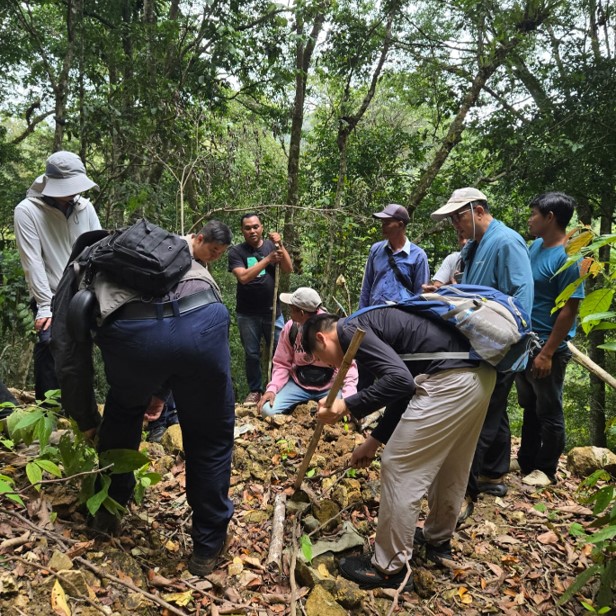
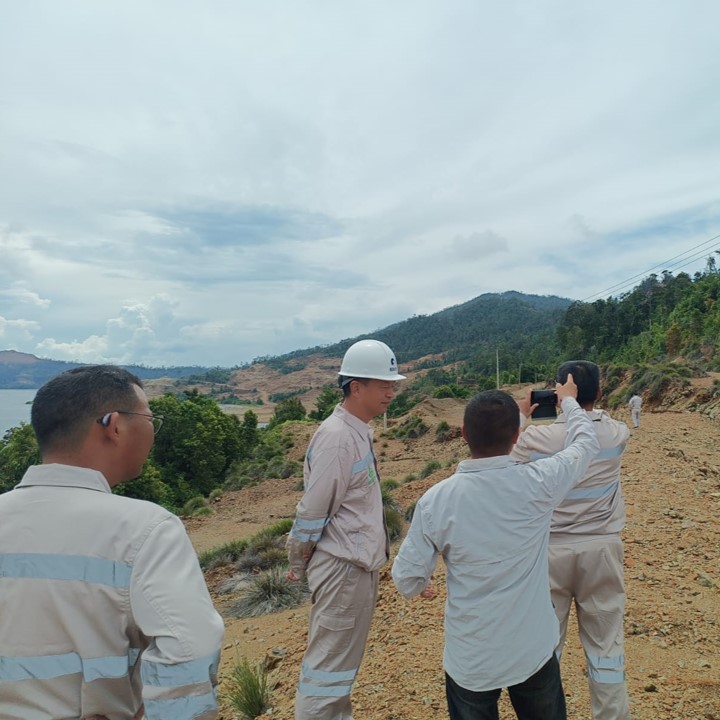
- Site and stakeholder validation: Used site visits, management discussions, and multidisciplinary review to test whether the available information was consistent with actual field conditions and development readiness.
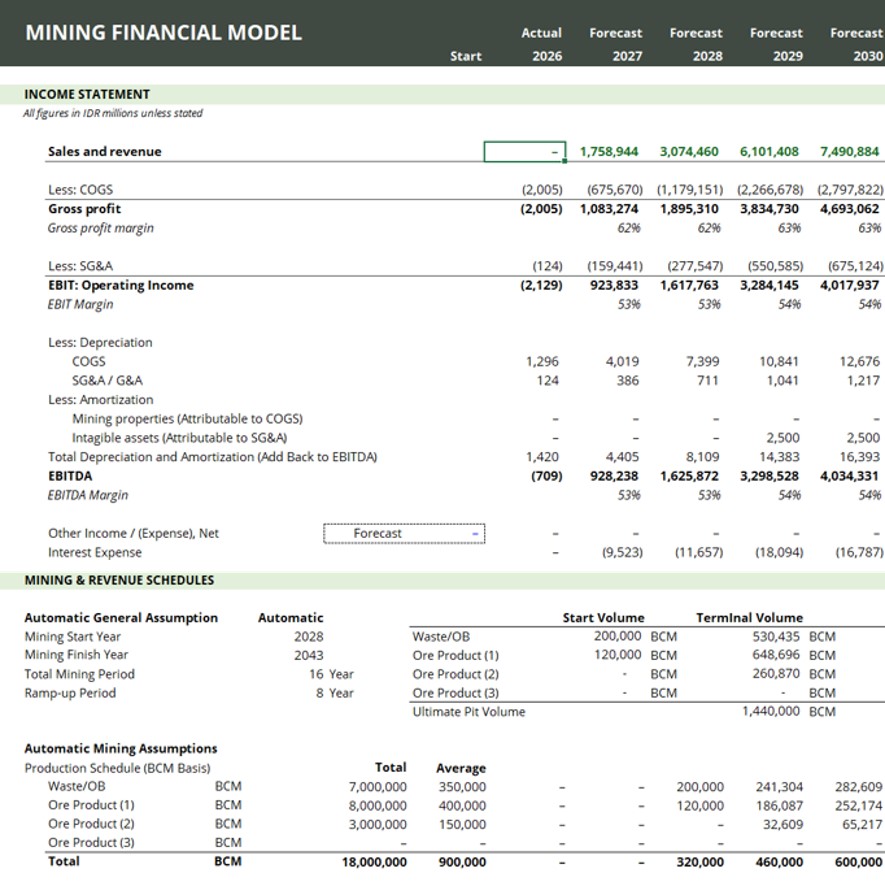
- Technical-economic integration: Translated the main technical drivers into production profiles, development schedules, capital and operating costs, and revenue assumptions for financial evaluation.
- Scenario and risk analysis: Tested the effects of changes in price, grade, recovery, cost, timing, and regulatory exposure through base, upside, and downside scenarios.
- Evaluation traceability: Documented evidence sources, data limitations, key assumptions, decision thresholds, and unresolved issues so that technical and commercial stakeholders could challenge or update the evaluation.
- Management decision support: Presented the findings through concise management briefs, risk registers, financial models, and decision dashboards, highlighting the factors most likely to influence project value and investment decisions.
05 / OUTCOME & PRACTICAL VALUE
The approach supported acquisitions while also identifying opportunities that required additional evidence or did not remain sufficiently robust under downside conditions. In one anonymised case, a technically feasible nickel opportunity was not advanced after market conditions and regulatory costs materially weakened its near-term economics.
A disciplined decision not to proceed can preserve value just as effectively as completing an acquisition.
15+
mineral-opportunity and due-diligence reviews
2
completed mine acquisitions supported
Proceed / Study / No-go
clearer decision paths under downside conditions
06 / PROFESSIONAL LESSON
The most useful investment model is not necessarily the most complex. It is the one whose technical, market, commercial, and policy assumptions are transparent enough to be traced, challenged, and updated as better evidence becomes available.
Technical-commercial evaluation is more reliable when resource confidence, mine development, economics, regulation, organisational readiness, and social considerations are integrated. The objective is not to create false certainty, but to show decision-makers which assumptions drive value, where material exposure remains, and what additional evidence is needed before further proceed.
Confidentiality
Asset names, locations, sellers, transaction values, price assumptions, unit costs, valuation outputs, legal findings, and negotiation details have been omitted. Figures are presented only as rounded portfolio-level totals, relative changes, or anonymised scenarios.

