MINE DEVELOPMENT & INTEGRATION
Downstreaming Integration
PROJECT VISUAL GALLERY
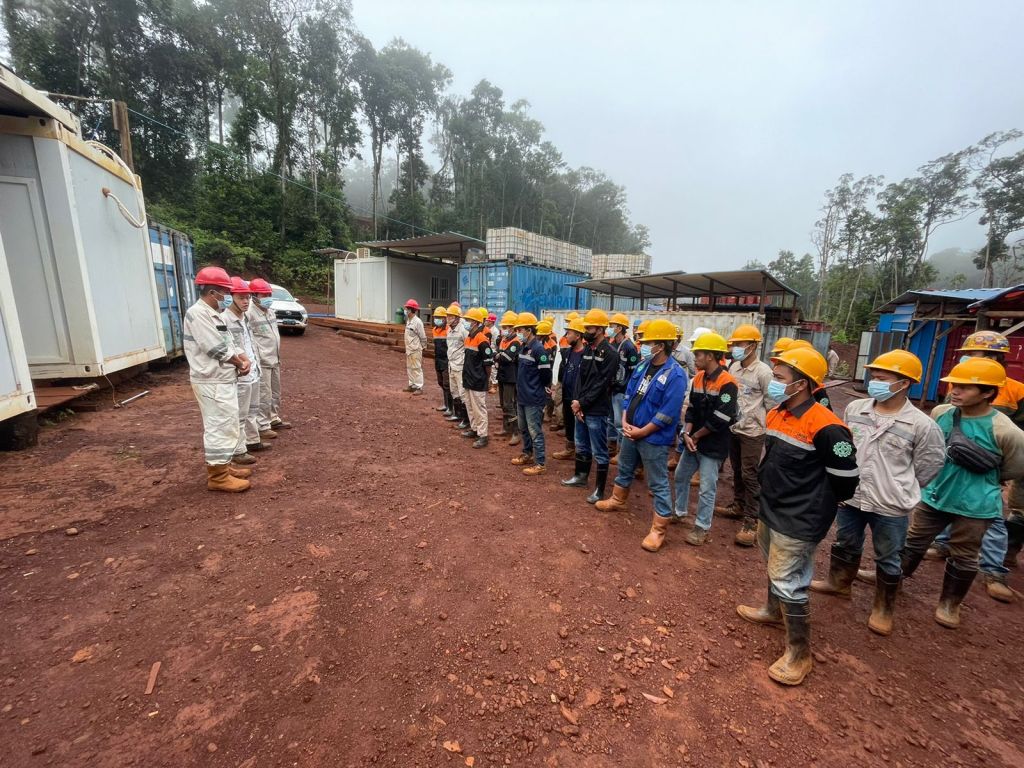
01 / PROJECT CONTEXT
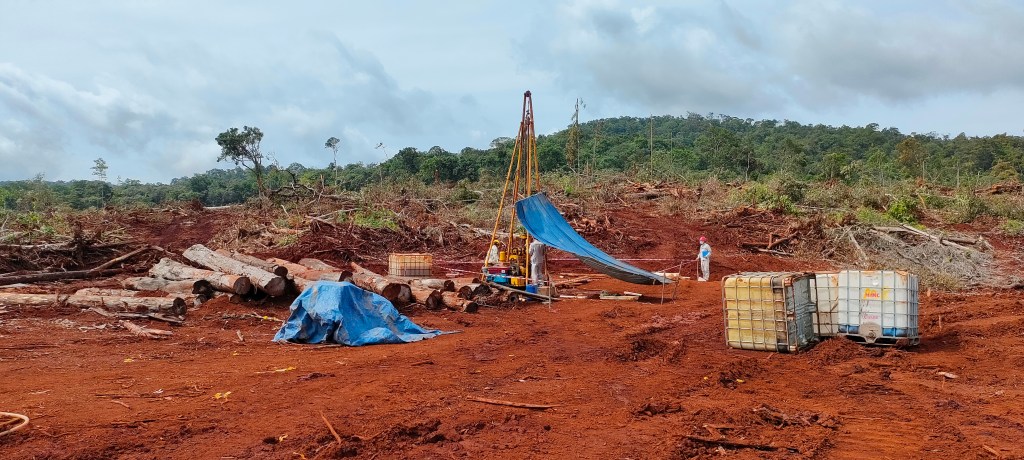
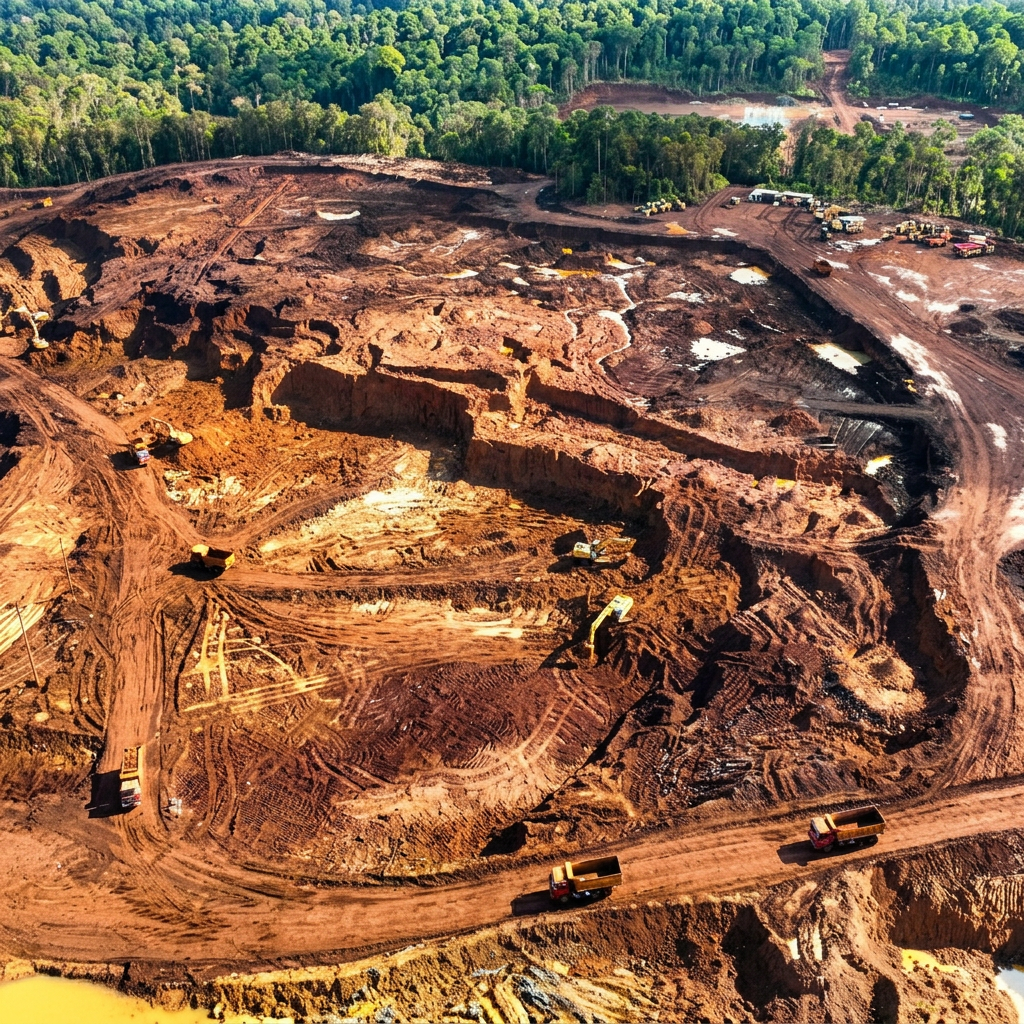
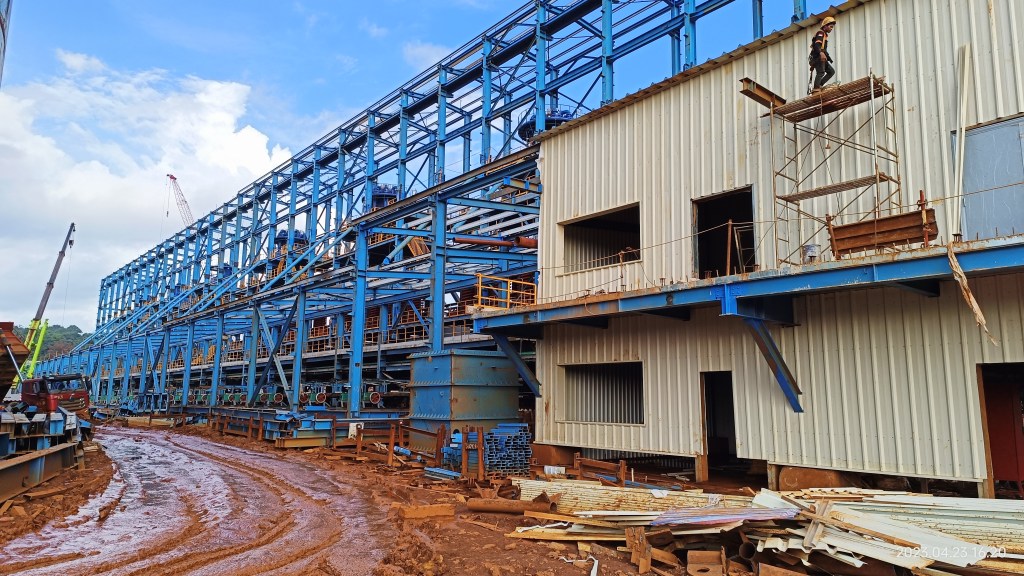
The development combined an active mining programme with the construction of nickel feed preparation plant (FPP) as part of High Pressure Acid Leaching (HPAL) EV product chain. Mining and construction progressed simultaneously, so changes in ore availability, product quality, mining sequence, or infrastructure schedules could affect the wider project.
The work involved multiple engineering disciplines and contractors that were both speaking in Mandarin, English, and Indonesian in daily basis. Furthermore, the mining activity was not simply to mine the nickel ore or to construct the installation, but to keep mine output compatible with construction schedules and the requirement of constructed downstreaming facilities.
02 / MY ROLES
My role was divided into two responsibilities:
- Project manager, where I responsible for overseeing the general end-end progress of mining and construction projects. This responsibility include the importance of managing project budget, tight scheduling, and regulatory compliance during progression.
- Mine Geology Superintendent, with focus on managing the technicality of the mining system, including: mining sequence, asset allocation, laboratory management, and QA/QC procedure. This responsiblity is expected to collaborate with other department to conserve the mineral extraction to maximum value.
03 / THE CHALLENGE
Multiple diverse challenges were faced during the program advancement with three main concerns:
- Producing the low-grade nickel ore material that was rare at the time required reliable mining system and better quality control during the progress.
- Conflicted coordination within the overlapping mining and construction areas. This includes mining front, infrastructure corridors, stockpiles, pipelines, and other project facilities were advanced with multiple priorities schemes.
- Cultural and discipline dispute/misunderstanding between presented stakeholders.
Some of the technical challenges were stated as below:
- Suitable nickel ore material could be sterilised or treated as construction waste.
- Recovery and dilution could reduce the reliability of downstream feed.
- Simultaneous mining and construction schedules could compete for land, heavy equipment utilisation, physical access, and on-going permit.
- Requirements could be interpreted differently across disciplines, contractors, and stakeholders.
- HSE controls could become fragmented as activities expanded and various teams involved.
04 / APPROACH
I took the approach inclusively with geological, mining, civil, processing, laboratory, contractor, and management teams to treat the mine and downstream development as one connected system, including:
- Translated plant-feed requirements into practical mining, recovery, dilution, stockpiling method, and material-control parameters as part of geometallurgical study.
- Used geological and geotechnical information to optimally identify suitable targeted material within the proposed construction areas.
- Coordinated exploration and mine plans with roads, pipelines, feed-preparation facilities, stockpiles, and other infrastructure.
- Periodic review of schedules, contractor scopes, equipment allocation, material specifications, and field progress against shared milestones.
- Applied transparent QA/QC control (civil and mining), field verification, inspections, and technical reporting to maintain mine material and construction quality.
- Communicated technical,operational, and systemic decisions across Indonesian- , English- and Mandarin-speaking teams while maintaining clear responsibility for safety and delivery.
05 / OUTCOME & PRACTICAL VALUE
The principal value was stronger coordination between mine output and downstream requirements. Geological evidence became part of construction and project decisions rather than remaining isolated within the mining team.
4 months
ahead of the original programme target
~400,000 t
low-grade nickel material conserved
~2%
dilution maintained within the reviewed work
>50%
reduction in the incident rate over one year
06 / PROFESSIONAL LESSON
Downstreaming scheme does not begin entirely focused on the expansion of mineral processing plant. The success of downstreaming attempt in Indonesia depends on the end-end chain value reliability. This includes the measured uncertainty of resource model, suitable mining material, infrastructure interface, and the stakeholder responsible for connecting them.
The experience strengthened my understanding that an integrated mineral project must be managed as a system: decisions made in the downstream industry can influence the geological condition, mining capability, processing performance, project economics, safety, and sustainable project value.
Confidentiality
Company, location, counterparties, detailed designs, unit costs, production schedules, and commercially sensitive specifications have been omitted. Quantities are rounded, and supporting visuals should be anonymised or recreated for illustration.

